Cart 0
Characteristics of Traditional Esoteric Tarot
Unlike Rider-Waite-Smith (RWS) decks, which focus on everyday scenes for the Minor Arcana, decks of the esoteric tradition are characterized by:
Emphasis on the Major Arcana: The main focus is on the 22 Major Arcana, which are seen as direct representations of cosmic and spiritual laws and the progression of the soul.
Occult Symbolism: The cards are filled with complex symbols that link each Arcana to:
Astrology: Zodiac signs, planets, or houses.
Qabalah (or Kabbalah): The 22 Hebrew letters and the paths of the Tree of Life.
Mythology: Classical or Egyptian deities.
Abstract Minor Arcana: The Minor Arcana often remain closer to the design of traditional playing card suits (as in playing cards or the Tarot of Marseilles), with little or no figurative scene. The meaning is primarily derived from the numbers and the suits.
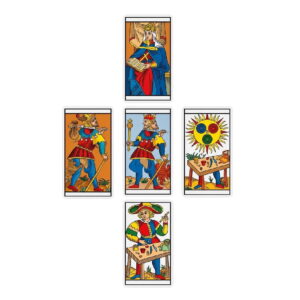
The Magician’s Structure (I): In the French tradition, the card of The Magician (Le Bateleur) is generally seen as the initiate, or the active principle of creation, and not just the power of manifestation.
The Influence of the French School
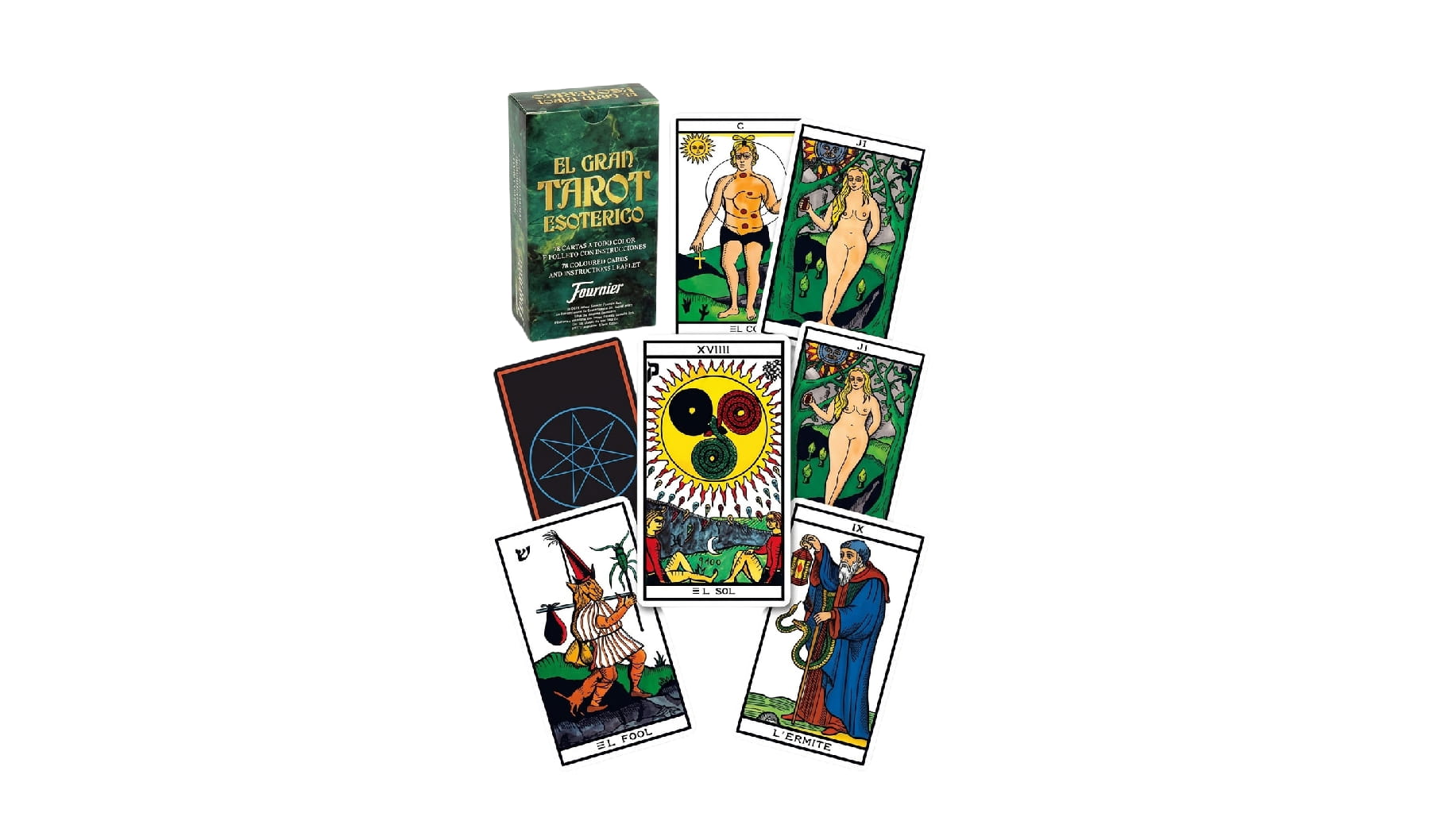
Decks that bear the name “Esoteric Tarot” or “Grand Esoteric Game” generally have roots in French authors who sought to restore what they saw as the divine origin of the Tarot:
Oswald Wirth: One of the most important, whose Tarot is largely based on the ideas of Eliphas Lévi and the Qabalah.
Papus (Gérard Encausse): His deck (although less visually known) detailed the correspondences between the Tarot, the Qabalah, and the occult sciences.