Cart 0
What It Is and Its Meaning
Sacramental: Holy Water is a sacramental, meaning it is a sacred sign instituted by the Church which, through the faith of the faithful, aids in the sanctification of life and disposes them to receive the principal effect of the sacraments (such as Baptism).
Origin: The ritually blessed water evokes in the faithful the mystery of Christ, who presented himself as “Living Water” and instituted Baptism, the sacrament of water, as a sign of saving blessing.
Purification and Protection: It has two main characteristics:
Purification: It recalls Baptism, purifying the Christian from venial sins and all stain of sin. It is a sign of the desire for purification.
Protection: It is seen as an effective instrument against the assaults of the devil and for spiritual protection against evil.
How It Is Made (The Blessing)
Ordained Minister: For the water to be considered Holy Water, it needs to be blessed by an ordained minister (Deacon, Priest, or Bishop), following the rituals and prayers of the “Roman Ritual” (or, in certain traditions, with a simple sign of the cross).
How to Use Holy Water
The use of Holy Water must be done with devotion and piety, not as superstition. The most common forms of use include:
To Sign Oneself (Persignar-se): Making the sign of the cross upon entering the church, or at home, with the thumb on the forehead, mouth, and chest, while invoking God.
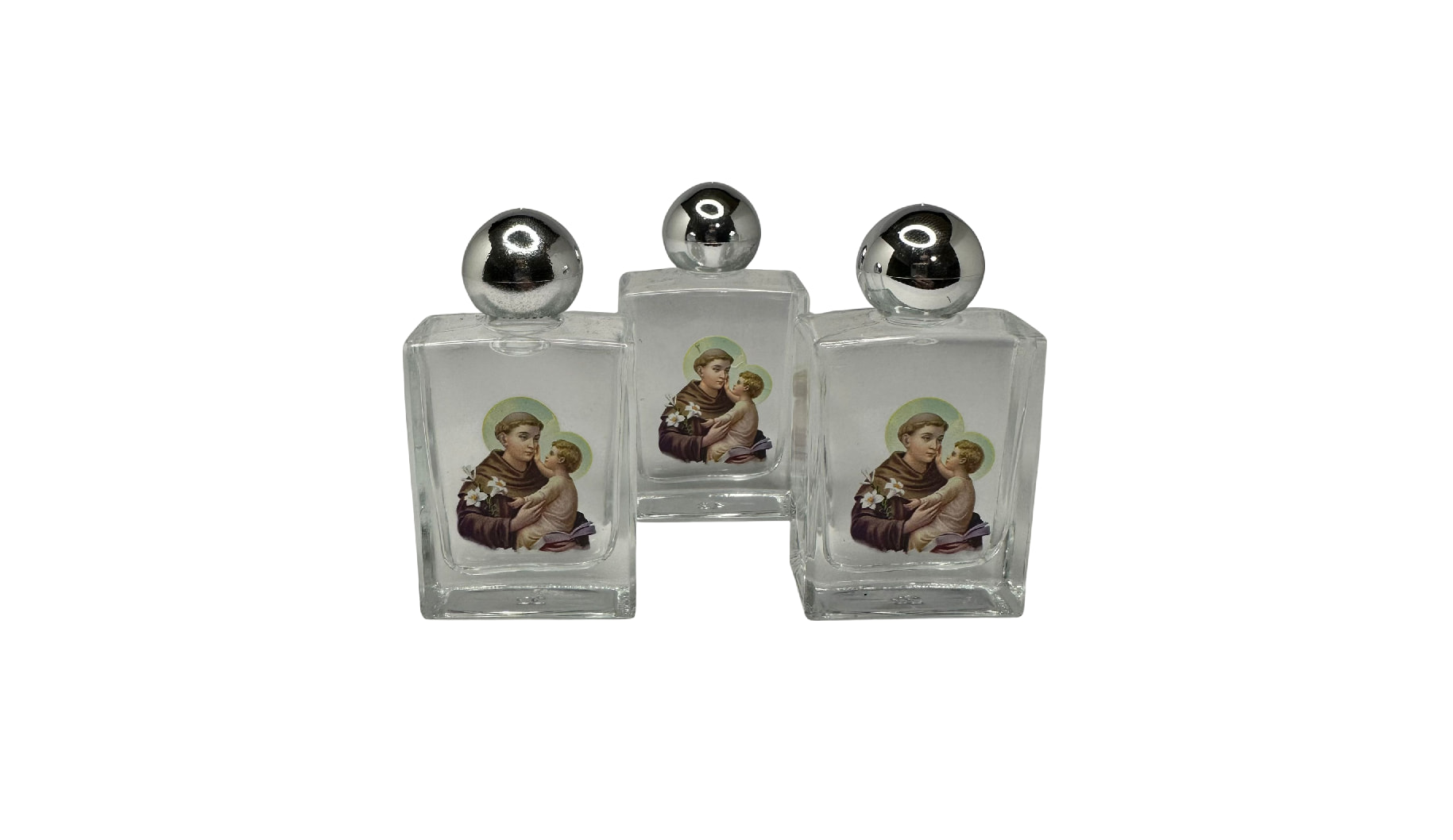
To Sprinkle (Aspergir): Sprinkling it on oneself, other people, or places/objects. It is common to sprinkle the house, workplace, car, and devotional objects (medals, crucifixes, images).
Purification of Environments: Using it for spiritual cleansing, purification, and the expulsion of negative energies and entities from environments.
⚠️WARNING⚠️: It is important to note that this product is sold for esoteric and ritual purposes. Its use, like that of any esoteric item, is based on the intention, faith, and belief of the user. It should not be ingested and is intended for external and ritualistic use only.