Cart 0


Symbolism and Main Function
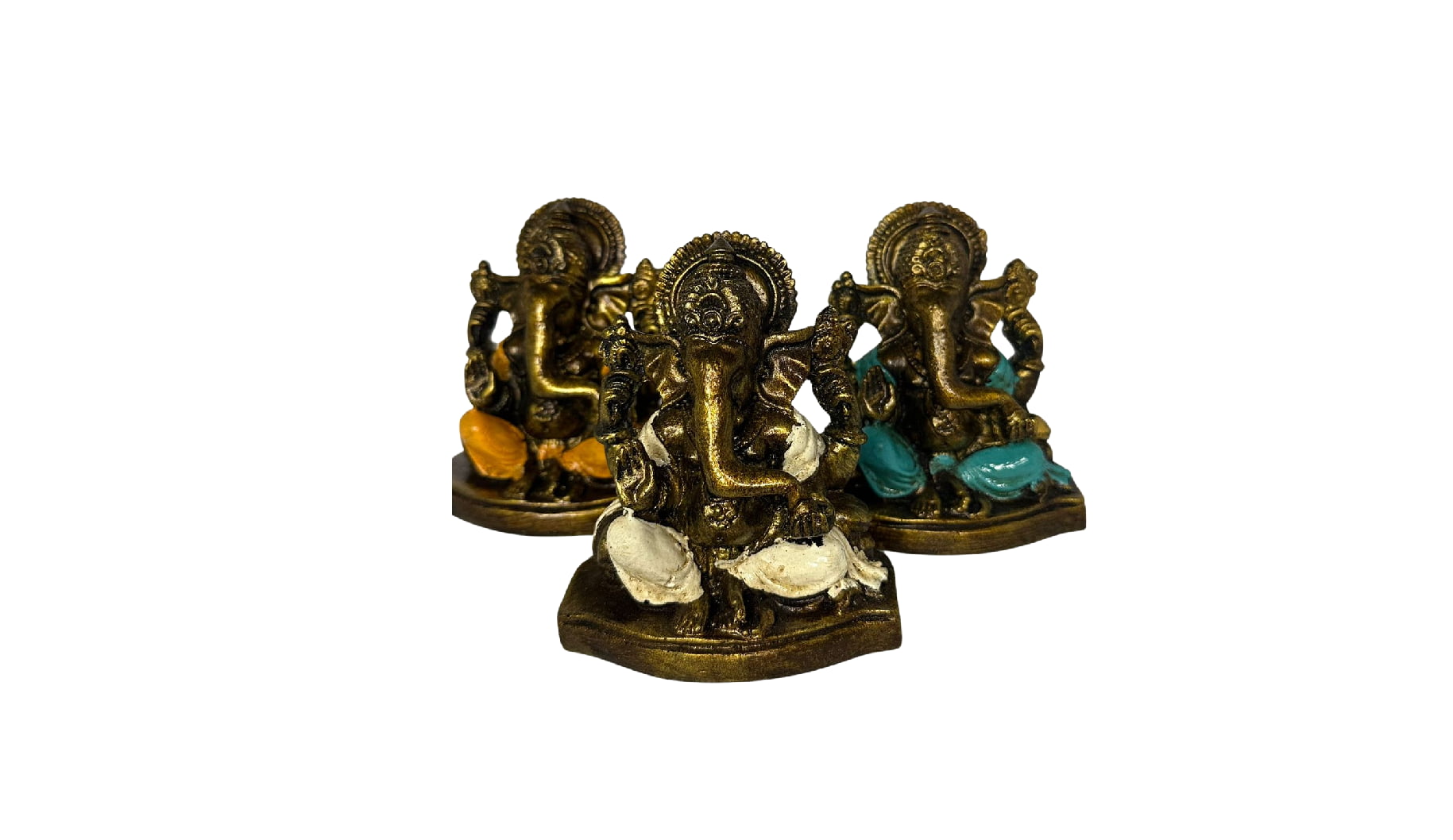
Ganesha is primarily known as Vighneshvara (Lord of Obstacles) or the Remover of Obstacles, whether they are material or spiritual. For this reason, he is always the first to be invoked in any ritual, new undertaking, journey, or at the start of a new project, to ensure success and good fortune.
The Iconography of Ganesha and Its Meanings
Ganesha’s appearance is a rich tapestry of symbolism:
Elephant Head: Symbolizes great wisdom, broad thinking, and the ability to listen attentively (Sravanam – listening to the teaching).
Human Body with a Prominent Belly: Represents abundance, patience, and the ability to “digest” all of life’s knowledge and experiences.
A Broken Tusk (Ekadanta): Signifies that the wise person is one who has broken with duality (pair of opposites) and lives above them, or the sacrifice that must be made to achieve happiness.
Four Arms: Represent the four attributes of the subtle body:
Mind (Manas)
Intellect (Budhi)
Ego (Ahamkarar)
Consciousness (Chitta)
The Mouse (Mushika Vahana): His vehicle, which represents the restless human mind and desires. Ganesha, by riding it, symbolizes the control of the mind and the internal illumination with wisdom.
Ganesha in Daily Life
In Hindu culture, the figure of Ganesha is deeply integrated into daily life:
Protector and Guardian: He is the first deity to be placed at the entrance of new homes or temples, acting as a protector and guardian.
Mantra: The most common and powerful mantra dedicated to him is Om Gam Ganapataye Namah (“I salute you, Lord of the troops”), invoked to remove obstacles and attract blessings.
Veneration: He is especially worshiped by businessmen and merchants due to his connection with good fortune and success.
Ganesha, the son of Lord Shiva and Goddess Parvati, essentially represents the logical solution and supreme intelligence for navigating life’s challenges.